Welcome to Computer Science at Hancock College Prep High School
Welcome to Computer Science
My name is Mr. Marvin Evins, and I’m a full‑time Computer Science teacher at Hancock College Preparatory High School.
I teach Exploring Computer Science (ECS), AP Computer Science Principles (AP CSP), and AP Cybersecurity courses designed to help students understand, create, and innovate with technology.
I hold two master’s degrees: one in Technology in Education and one in Computer Science. This background allows me to blend strong technical expertise with a deep understanding of how students learn best.
One of my favorite parts of teaching computer science is showing students that technology is much more than just coding. It’s about problem‑solving, creativity, critical thinking, communication, and understanding how technology shapes the world around us.
In my classes, students learn by doing. Depending on the course, we may explore programming, web_development, artificial_intelligence, cybersecurity, data_science, networking, robotics, Arduino, drones, and other emerging technologies.
You don’t need to enter my classroom already knowing how to code or how computers work. My goal is to help you build your skills step by step—learning from mistakes, tackling challenging problems, and creating projects you can be proud of.
AP Cybersecurity teaches you how to protect computers, networks, and data. You’ll learn how hackers think (in a safe, ethical way), how security systems work, and how to defend against real‑world cyber threats. We use hands‑on labs, simulations, and tools that cybersecurity professionals use every day.
Most importantly, I want students to leave my classes feeling confident using technology, understanding technology, and creating with technology—not just consuming it.
Welcome to Computer Science. I’m glad you’re here, and I can’t wait to see what you build.
You will find video samples of what students do in class as well as student testimonials.
You will also find course syllabi available in multiple languages including English, Spanish, Polish, and Mandarin on the side of this page so every student and family can access the information they need.
— Mr. Evins
M.Ed Technology in Education, National Louis University
M.S Computer Science, North Eastern Illinois University
Computer Science Courses at Hancock
Overview of Programs
At Hancock, Computer Science is all about learning new skills, trying new ideas, and building cool things. Whether you’ve never coded before or you’re already tech‑savvy, there’s a place for you here.
Exploring Computer Science (ECS)
ECS is the perfect starting point. You’ll learn how computers work, how to solve problems, and how to think like a computer scientist. We explore things like programming, web_development, data, and digital citizenship — all through hands‑on projects and activities.
AP Computer Science Principles (AP CSP)
AP CSP is all about the big ideas behind computing. You’ll learn how apps are built, how the internet works, how data is used, and how technology impacts the world. You’ll also create your own project for the AP exam and explore topics like artificial_intelligence and cybersecurity.
AP Cybersecurity
AP Cybersecurity teaches you how to protect computers, networks, and data. You’ll learn how hackers think (in a safe, ethical way), how security systems work, and how to defend against real cyber threats. We use hands‑on labs, simulations, and real security tools to help you understand how cybersecurity professionals keep information safe.
Beyond Computer Science
Where do you go after your computer science class?
Computer science is much bigger than what we can cover in one semester or even one school year. Beyond Computer Science is a resource for Hancock students who want to continue learning, exploring, and building outside of the classroom.
I created the Code Your Future: Computer Science Roadmap after hearing a question from students year after year:
“Mr. Evins, what should I learn next?”
The roadmap gives students a structured, self-paced path from the fundamentals of computing to more advanced areas including programming, algorithms, networking, databases, APIs, web development, cybersecurity, artificial intelligence, cloud computing, DevOps, Git/GitHub, Docker, Kubernetes, and system design.
This isn't just a list of things to study. Each part of the roadmap includes learning objectives, suggested pacing, hands-on checkpoints, mini-projects, and goals students should reach before moving forward.
The goal is for students to learn by doing—building programs and projects, solving problems, using professional tools, developing a GitHub history, and eventually creating a portfolio that demonstrates what they can do.
Whether you're interested in college computer science, cybersecurity, software development, AI, cloud computing, or simply want to see how far you can take your skills, this is a place to continue your journey.
Learn. Build. Explore. Find your path.
Posts
Exploring Computer Science Intro video
Samples of what we do in Computer Science at Hancock College Prep High school.
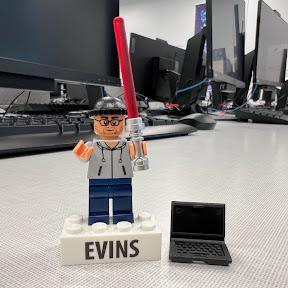
- Name
- Marvin Evins
- Position
- Computer Science Instructor